Ultimate Smart Home Integration Guide for Modern Rentals
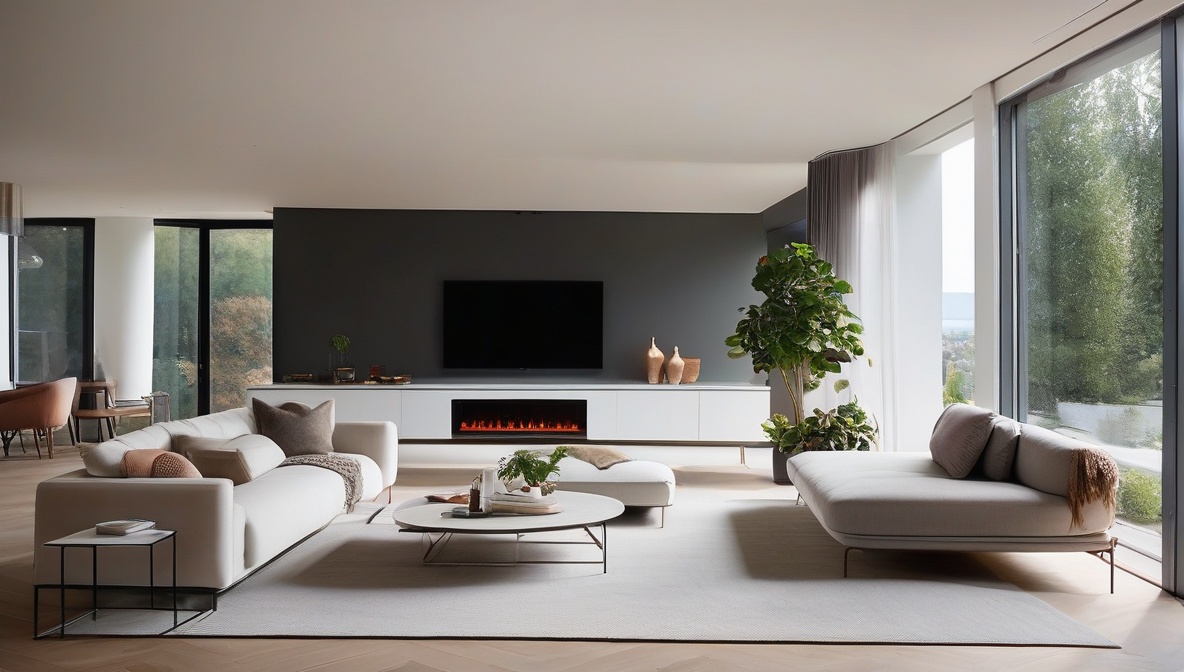
Smart home integration has revolutionized the rental property market, transforming how landlords attract tenants and maximize property value. As modern renters increasingly prioritize technology-driven conveniences, properties equipped with intelligent systems command higher rents and experience lower vacancy rates. Whether you’re a property owner looking to upgrade existing units or an investor planning new acquisitions, understanding the strategic implementation of smart home integration can significantly impact your bottom line.
This comprehensive guide addresses property managers, real estate investors, and landlords who recognize that today’s rental market demands more than basic amenities. You’ll discover which smart technologies deliver the strongest return on investment, how to implement systems that balance tenant convenience with property protection, and strategies for positioning your rentals as premium offerings in competitive markets.
Essential Smart Home Integration Systems for Rental Properties
Successful smart home integration in rental properties requires careful selection of technologies that serve both tenant needs and property management objectives. The most effective systems combine user-friendly operation with robust security features and remote management capabilities.
Smart security systems top the priority list for most rental properties. These comprehensive solutions typically include doorbell cameras, smart locks, motion sensors, and central monitoring hubs. According to This Old House, properties with integrated security systems see 15-20% higher tenant retention rates compared to traditional rentals. The appeal extends beyond simple convenience – tenants appreciate the enhanced safety features, while landlords benefit from real-time property monitoring and reduced liability concerns.
Climate control integration represents another high-impact category. Smart thermostats with programmable schedules and remote access capabilities help tenants optimize energy usage while giving property managers oversight of utility consumption. Advanced systems can detect occupancy patterns, automatically adjust temperatures during vacant periods, and send alerts for extreme temperature fluctuations that might indicate HVAC problems.
Lighting automation rounds out the essential trilogy of smart home integration. Modern LED systems with smartphone controls, scheduling capabilities, and energy monitoring provide tenants with customizable ambiance while reducing property energy costs. Integration with occupancy sensors can automatically manage common area lighting, reducing both energy consumption and maintenance requirements.
Smart Home Integration: Safety and Security Priorities
Water damage prevention systems deserve special consideration in smart home integration strategies. Smart water sensors positioned near appliances, in basements, and around plumbing fixtures can detect leaks early and send immediate alerts to both tenants and property managers. Some advanced systems integrate with smart water shutoff valves, automatically stopping water flow when leaks are detected – a feature that can prevent thousands of dollars in damage claims.
Smoke and carbon monoxide detection has evolved beyond traditional battery-powered units. Smart detectors provide detailed alerts specifying the type and location of detected hazards, send notifications to multiple contacts, and integrate with other home systems to automatically unlock doors or turn on lights during emergencies.
ROI-Focused Smart Home Integration Strategies
Effective smart home integration requires strategic thinking about return on investment. Not every available technology makes financial sense for rental properties, and successful implementations focus on features that either increase rental income or reduce operating expenses.
Premium rent justification represents the primary revenue opportunity. Properties with comprehensive smart home integration typically command rent premiums of 5-15% compared to comparable non-smart units. However, this premium depends heavily on local market conditions and tenant demographics. Urban markets with younger professional tenants generally support higher technology premiums than suburban or rural locations.
Operating cost reduction provides more predictable returns. Smart thermostats can reduce heating and cooling costs by 10-15% through optimized scheduling and remote management. Automated lighting systems cut electricity usage by 20-30% in common areas. Water monitoring systems prevent costly damage that might otherwise result in insurance claims, unit downtime, and tenant displacement expenses.
Maintenance efficiency improvements offer substantial long-term value. Smart home integration systems that monitor appliance performance, track usage patterns, and predict maintenance needs help property managers transition from reactive to preventive maintenance strategies. This approach reduces emergency repair costs, extends equipment lifespan, and minimizes tenant disruption.
Technology Selection and Budget Allocation
Smart home integration budgets should typically allocate 60% toward security and safety systems, 25% toward climate and energy management, and 15% toward convenience features. This distribution reflects both tenant priorities and insurance considerations that can impact long-term property costs.
System scalability deserves careful consideration during initial planning. Starting with basic smart locks and thermostats allows property owners to test market response before expanding to comprehensive automation systems. Many modern platforms support gradual expansion, enabling cost-effective upgrades as budgets allow or tenant feedback demands additional features.
Implementation Best Practices for Smart Home Integration
Successful smart home integration requires careful attention to installation quality, system reliability, and user accessibility. Poor implementation can create more problems than benefits, leading to frustrated tenants and increased maintenance demands.
Network infrastructure forms the foundation of reliable smart home integration. Rental properties need robust Wi-Fi coverage throughout all living spaces, with enterprise-grade equipment that can handle multiple connected devices. Mesh networking systems work particularly well in larger properties or units with challenging layouts. Property managers should plan for network speeds at least 25% higher than current requirements to accommodate system expansion and increased usage over time.
Device selection should prioritize reliability and compatibility over cutting-edge features. Established brands with strong customer support, regular software updates, and integration with major platforms provide better long-term value than newer companies with limited track records. As noted by Better Homes & Gardens, device compatibility issues represent the most common source of tenant complaints about smart home systems.
Installation should always involve professional technicians familiar with rental property requirements. DIY installations often create liability issues and may violate local electrical codes. Professional installers understand how to route wiring safely, position sensors effectively, and configure systems for multi-user access – all critical factors for rental property success.
Smart Home Integration User Training and Support
Tenant education significantly impacts smart home integration success rates. Comprehensive orientation sessions should cover basic system operation, troubleshooting procedures, and emergency protocols. Written guides with step-by-step instructions and QR codes linking to video tutorials help tenants quickly resolve common issues.
Remote support capabilities reduce property management workload while improving tenant satisfaction. Systems that allow property managers to diagnose and resolve connectivity issues, adjust settings, or provide guided troubleshooting minimize on-site service calls and reduce response times for tenant concerns.
Advanced Smart Home Integration Features
Beyond basic security and climate control, advanced smart home integration features can differentiate premium rental properties and justify higher rent levels. These sophisticated systems appeal particularly to tech-savvy tenants willing to pay for cutting-edge convenience.
Voice control integration transforms how tenants interact with their living spaces. Modern systems support natural language commands for lighting, temperature, entertainment, and security functions. Integration with popular voice assistants provides familiar interfaces while maintaining property-specific controls and limitations.
Automated scheduling systems learn tenant preferences and adjust home environments accordingly. These systems can gradually dim lights in the evening, adjust temperatures based on occupancy patterns, and optimize energy usage during peak rate periods. Advanced algorithms consider factors like weather forecasts, utility pricing, and individual preferences to create truly personalized experiences.
Integration with property management software streamlines operations for landlords managing multiple smart-enabled units. Centralized dashboards provide oversight of all connected properties, automated reporting of maintenance issues, and integration with rent collection and tenant communication systems.
Smart Home Integration Maintenance and Updates
Long-term smart home integration success requires systematic maintenance and update procedures. Software updates should occur regularly to maintain security and add new features. Hardware components need periodic inspection and replacement according to manufacturer schedules.
Preventive maintenance contracts with smart home integration specialists can reduce long-term costs while ensuring system reliability. These agreements typically include regular system health checks, software updates, device replacement planning, and priority support for emergency issues.
Practical Applications
Implementing smart home integration effectively requires understanding specific applications that deliver measurable value for rental properties. The most successful installations focus on practical benefits that tenants use daily while providing property managers with actionable insights.
Start with entry management systems that combine security cameras, smart locks, and intercoms. These systems allow property managers to grant access remotely, monitor visitor activity, and provide tenants with convenient keyless entry. Integration with package delivery services can reduce theft while improving tenant satisfaction.
Energy monitoring provides valuable data for both cost control and tenant education. Smart electrical panels that track usage by circuit help identify inefficient appliances or unusual consumption patterns. This information supports targeted energy-saving initiatives and can help resolve utility disputes with detailed usage data.
Integration with local services creates additional value propositions. Smart home systems that connect with food delivery, cleaning services, or maintenance providers streamline tenant experiences while creating potential revenue opportunities through service partnerships.
Market Positioning and Competitive Advantage
Smart home integration helps rental properties compete effectively in crowded markets. Marketing materials should emphasize specific benefits rather than technical specifications. Focus on outcomes like “reduced utility costs,” “enhanced security,” and “convenient remote access” rather than listing device features.
Virtual touring capabilities integrated with smart home systems allow prospective tenants to experience property features remotely. Interactive demonstrations of lighting controls, security features, and climate management can differentiate listings and reduce the number of in-person showings required.
According to Houzz, properties marketed with smart home integration features receive 40% more online inquiries than comparable traditional listings, demonstrating the significant marketing value of these investments.
Cost Analysis and Budget Planning
Understanding the true cost of smart home integration requires considering both initial installation expenses and ongoing operational costs. Comprehensive budget planning prevents cost overruns and ensures sustainable returns on technology investments.
Initial installation costs for basic smart home integration typically range from $2,000-$5,000 per unit, depending on property size and feature complexity. This investment includes smart locks, thermostats, basic security cameras, and lighting controls. More comprehensive systems with advanced automation and monitoring capabilities can range from $8,000-$15,000 per unit.
Monthly operating costs include internet service upgrades, software subscriptions, and cloud storage for security footage. Budget approximately $50-$100 per month for these ongoing expenses, though costs may be partially offset by energy savings and reduced maintenance requirements.
Payback periods vary significantly based on rent premiums and cost savings achieved. Properties in high-demand markets with tech-savvy tenant bases often recover smart home integration investments within 2-3 years through higher rents and reduced operating costs. More conservative markets may require 4-5 years for full cost recovery.
Insurance and Liability Considerations
Smart home integration can impact insurance premiums and liability exposure. Many insurers offer discounts for properties with monitored security systems, water leak detection, and smoke monitoring. However, cyber security concerns may increase certain coverage requirements.
Tenant privacy considerations require careful attention to data collection and storage practices. Clear policies about video recording, data retention, and third-party access help avoid legal complications while maintaining trust with tenants.
References
- This Old House – Home Improvement and Smart Technology Guide
- Better Homes & Gardens – Smart Home Technology and Design
- Houzz – Smart Home Integration Design and Implementation
Frequently Asked Questions
What smart home integration features provide the best return on investment for rental properties?
Smart security systems, programmable thermostats, and automated lighting typically deliver the strongest ROI through increased rent premiums and reduced operating costs. Security systems alone can justify rent increases of 5-10% while reducing liability and maintenance concerns.
How much should landlords budget for smart home integration per rental unit?
Basic smart home integration costs $2,000-$5,000 per unit for essential features like smart locks, thermostats, and security cameras. Comprehensive systems with advanced automation range from $8,000-$15,000 per unit, plus $50-$100 monthly for ongoing service costs.
Do smart home systems require special insurance or create additional liability?
Many insurers offer discounts for smart security and monitoring systems, but cyber security coverage may be required. Clear tenant agreements about privacy, data collection, and system usage help minimize liability exposure while maintaining legal compliance.
How can landlords ensure smart home integration systems remain reliable long-term?
Choose established brands with strong support networks, invest in professional installation, maintain robust internet infrastructure, and establish regular maintenance schedules. Preventive maintenance contracts with smart home specialists provide ongoing support and system updates.
What tenant education is necessary for smart home integration success?
Provide comprehensive orientation sessions covering basic operation, troubleshooting, and emergency procedures. Written guides with QR codes linking to video tutorials help tenants quickly resolve common issues. Remote diagnostic capabilities reduce service calls while improving tenant satisfaction.
Can smart home integration be added gradually to existing rental properties?
Yes, most modern platforms support scalable implementation. Start with high-impact features like smart locks and thermostats, then expand based on tenant feedback and budget availability. Ensure initial infrastructure can support planned additions to avoid costly retrofits.
How does smart home integration impact property marketing and tenant attraction?
Properties with smart home features receive significantly more online inquiries and can command 5-15% rent premiums in appropriate markets. Focus marketing on specific benefits like security, convenience, and energy savings rather than technical specifications to maximize appeal.
Conclusion
Smart home integration represents a powerful tool for enhancing rental property value, attracting quality tenants, and streamlining property management operations. Success requires strategic selection of technologies that balance tenant benefits with operational efficiency, supported by professional installation and comprehensive tenant education.
The most effective approach focuses on essential systems first – security, climate control, and lighting automation – before expanding to advanced features. Properties that implement smart home integration thoughtfully typically see increased rent premiums, reduced operating costs, and improved tenant retention rates that justify the initial investment.
As tenant expectations continue evolving, smart home integration will become increasingly essential for competitive positioning in rental markets. Property owners who invest in these technologies now position themselves advantageously for long-term success while building valuable experience with systems that will become standard expectations in the years ahead.