Ultimate Energy Efficient Upgrades: Revolutionary Cost Savings
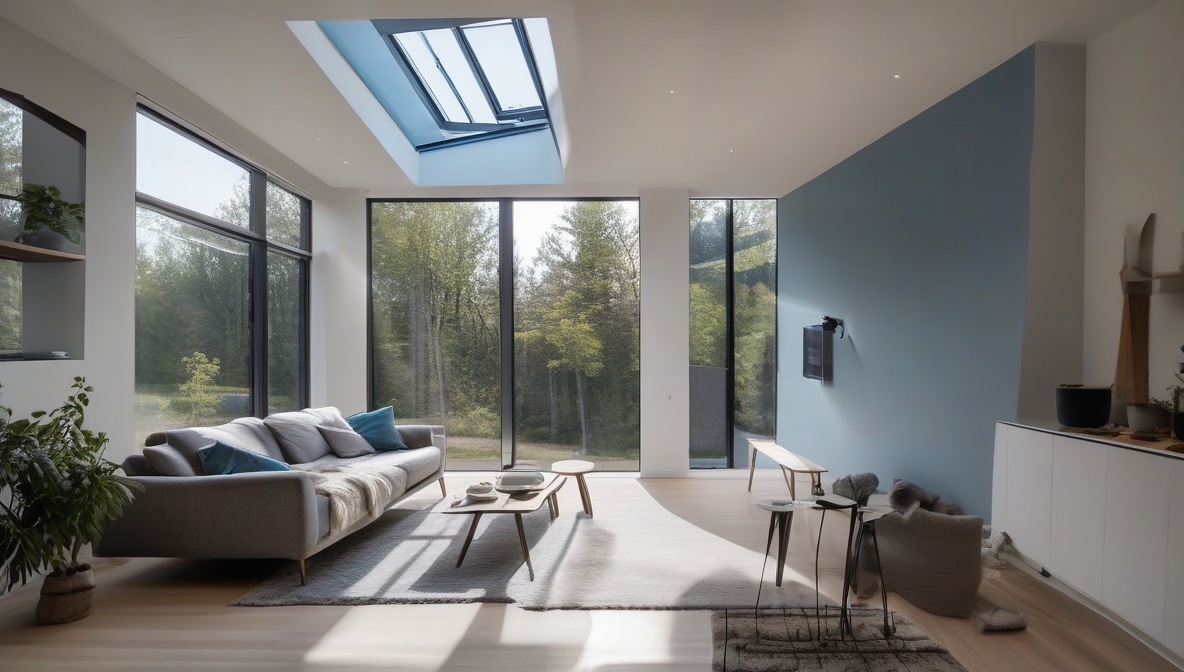
Energy efficient upgrades represent one of the smartest investments homeowners can make, offering both immediate comfort improvements and long-term financial benefits. These strategic renovations can reduce utility costs by 30-50% while simultaneously decreasing maintenance requirements and increasing home value. Whether you’re planning a major renovation or looking for targeted improvements, understanding which upgrades deliver the highest return on investment will help you make informed decisions that benefit your wallet and the environment.
Homeowners facing rising utility costs, frequent HVAC repairs, or uncomfortable indoor temperatures should prioritize these improvements. Property investors, environmentally conscious families, and anyone planning to sell their home within the next decade will find these upgrades particularly valuable. You’ll learn which specific improvements offer the greatest impact, how to prioritize projects based on your budget, and what to expect in terms of payback periods and ongoing savings.
High-Impact Energy Efficient Upgrades for Maximum Savings
The most effective energy efficient upgrades target your home’s biggest energy consumers: heating and cooling systems, water heating, and the building envelope. Starting with these high-impact areas ensures you’ll see immediate results in both comfort and cost savings.
HVAC System Modernization
Upgrading to a high-efficiency HVAC system delivers the most dramatic impact on energy consumption. Modern heat pumps and furnaces operate at 90-98% efficiency compared to older systems that often run at just 60-80%. A properly sized, high-efficiency system can reduce heating and cooling costs by $800-2,000 annually while requiring fewer repairs due to advanced diagnostic capabilities and improved component durability.
Smart thermostats complement HVAC upgrades by optimizing system operation. These devices learn your schedule, adjust temperatures automatically, and provide detailed energy usage reports. The average smart thermostat saves 10-15% on heating and cooling costs, paying for itself within two years while reducing system wear through precise temperature control.
Insulation and Air Sealing Improvements
Comprehensive insulation upgrades create a thermal barrier that dramatically reduces energy loss. Adding insulation to attics, walls, and crawl spaces can cut heating and cooling costs by 20-40%. Modern blown-in insulation and spray foam options provide superior coverage compared to traditional batts, eliminating thermal bridging and air leaks that compromise efficiency.
Professional air sealing addresses the hidden energy losses that occur through small gaps and cracks throughout your home. According to This Old House, proper air sealing can reduce energy bills by 10-20% while improving indoor air quality and comfort. Focus areas include windows, doors, electrical outlets, and penetrations where utilities enter the home.
Water Heating Energy Efficient Upgrades
Water heating typically accounts for 18-25% of home energy use, making it a prime target for efficiency improvements. Modern water heating solutions offer substantial savings potential while often reducing maintenance requirements.
Tankless and Heat Pump Water Heaters
Tankless water heaters eliminate standby energy losses by heating water only on demand. These units last 20-30 years compared to 8-12 years for traditional tank heaters, reducing replacement costs while saving 20-30% on water heating expenses. Heat pump water heaters offer even greater savings, using ambient air temperature to heat water with 60-70% less energy than conventional electric units.
Water Conservation Fixtures
Installing EPA WaterSense certified fixtures reduces both water and energy consumption. Low-flow showerheads, faucets, and toilets can cut water heating costs by 15-25% while maintaining performance. These fixtures pay for themselves within 1-2 years through reduced utility bills and often qualify for local rebates.
Window and Door Energy Efficient Upgrades
Windows and doors represent significant opportunities for energy savings, particularly in homes with single-pane windows or poorly sealed openings. Modern replacement options offer dramatic improvements in thermal performance and durability.
High-Performance Windows
Double or triple-pane windows with low-E coatings and gas fills can reduce energy loss by 50-70% compared to single-pane units. While the initial investment is substantial, quality windows last 20-30 years and immediately improve comfort by eliminating drafts and reducing temperature variations near windows. Look for ENERGY STAR certified windows appropriate for your climate zone to maximize savings.
Insulated Entry Doors
Replacing hollow-core or poorly insulated entry doors with insulated steel or fiberglass units improves both energy efficiency and security. Quality insulated doors include weatherstripping and proper threshold seals that maintain their effectiveness for decades with minimal maintenance.
Lighting and Electrical Energy Efficient Upgrades
LED lighting upgrades offer immediate energy savings with minimal upfront investment. Modern LED bulbs use 75-80% less energy than incandescent bulbs while lasting 15-25 times longer, virtually eliminating maintenance costs for lighting.
Smart Lighting Controls
Occupancy sensors, daylight harvesting controls, and smart switches optimize lighting usage automatically. These systems can reduce lighting energy consumption by an additional 20-40% beyond LED conversion savings while extending bulb life through reduced operating hours.
Practical Implementation Strategies
Successfully implementing energy efficient upgrades requires careful planning and prioritization. Start with a professional energy audit to identify your home’s specific inefficiencies and quantify potential savings. Many utility companies offer subsidized audits that include blower door tests and thermal imaging to pinpoint problem areas.
Prioritizing Projects by ROI
Focus first on upgrades with payback periods under five years: programmable thermostats, LED lighting, air sealing, and attic insulation typically offer the fastest returns. Medium-term projects like HVAC replacement and window upgrades should follow, with longer-term improvements like solar panels or geothermal systems considered last.
Leveraging Incentives and Rebates
Research federal tax credits, state rebates, and utility incentives before beginning projects. Many energy efficient upgrades qualify for significant financial incentives that can reduce net costs by 30-50%. Some utilities offer on-bill financing that allows you to pay for upgrades through your energy savings.
Advanced Energy Efficient Upgrades
For homeowners ready to invest in cutting-edge technology, advanced systems offer exceptional long-term value and minimal maintenance requirements.
Solar Energy Systems
Solar panel systems have reached unprecedented affordability while battery storage options provide energy independence. Modern solar installations typically pay for themselves within 6-10 years while requiring minimal maintenance and offering 25-year performance warranties.
Geothermal Heat Pumps
Geothermal systems use stable ground temperatures to provide heating and cooling at 400-600% efficiency. While installation costs are high, these systems last 25-50 years with minimal maintenance while providing consistent comfort and the lowest operating costs of any HVAC technology.
References
- EPA WaterSense – Water-Efficient Products and Practices
- This Old House – Home Improvement and Energy Efficiency Guidance
Frequently Asked Questions
What energy efficient upgrades provide the fastest payback?
LED lighting conversion, programmable thermostats, and basic air sealing typically pay for themselves within 1-3 years. These low-cost improvements offer immediate savings and require minimal investment, making them ideal starting points for any efficiency program.
How much can I realistically save on utility bills with major upgrades?
Comprehensive energy efficient upgrades can reduce utility costs by 30-50% in most homes. A typical home spending $2,400 annually on utilities might save $720-1,200 per year after implementing insulation, HVAC, and window upgrades.
Should I tackle multiple projects simultaneously or one at a time?
Bundling related projects often reduces overall costs and disruption. For example, combining insulation, air sealing, and HVAC replacement allows contractors to optimize the system sizing and installation process. However, prioritize high-impact, low-cost improvements first if budget is limited.
How do I know if my contractor is qualified for energy efficiency work?
Look for contractors with relevant certifications such as BPI (Building Performance Institute) or RESNET credentials. Request references from recent energy upgrade projects and verify that they understand local building codes and utility incentive requirements. Quality contractors will recommend energy audits and proper equipment sizing calculations.
Do energy efficient upgrades really reduce maintenance costs?
Yes, modern efficient equipment typically requires less maintenance due to improved design and diagnostic capabilities. High-efficiency HVAC systems include better filtration and monitoring, LED lights last decades without replacement, and quality windows and doors maintain their seals longer than older alternatives.
What’s the best way to finance major energy upgrades?
Options include utility on-bill financing, PACE (Property Assessed Clean Energy) programs, energy-specific loans, and home equity financing. Many programs offer favorable terms because energy savings help secure the loan. Always factor available rebates and tax credits into your financing calculations.
How long should I plan to stay in my home to justify major upgrades?
Most energy efficient upgrades add to home value, so even shorter-term homeowners benefit. However, staying 5-7 years allows you to recoup costs through energy savings. According to Better Homes & Gardens, energy-efficient homes sell faster and often command premium prices, making these improvements valuable regardless of timeline.
Conclusion
Energy efficient upgrades represent a smart investment strategy that delivers multiple benefits: reduced utility costs, improved comfort, lower maintenance requirements, and increased home value. By prioritizing high-impact improvements like HVAC modernization, insulation upgrades, and efficient lighting, homeowners can achieve substantial savings while contributing to environmental sustainability.
Start with a professional energy audit to identify your home’s specific needs, then implement improvements systematically based on payback periods and available incentives. Remember that energy efficient upgrades often work synergistically – combining multiple improvements amplifies savings and creates a more comfortable, valuable home. The initial investment pays dividends for decades through reduced operating costs and enhanced livability.