Ultimate Strategic Landscaping Guide for Stunning Rental ROI
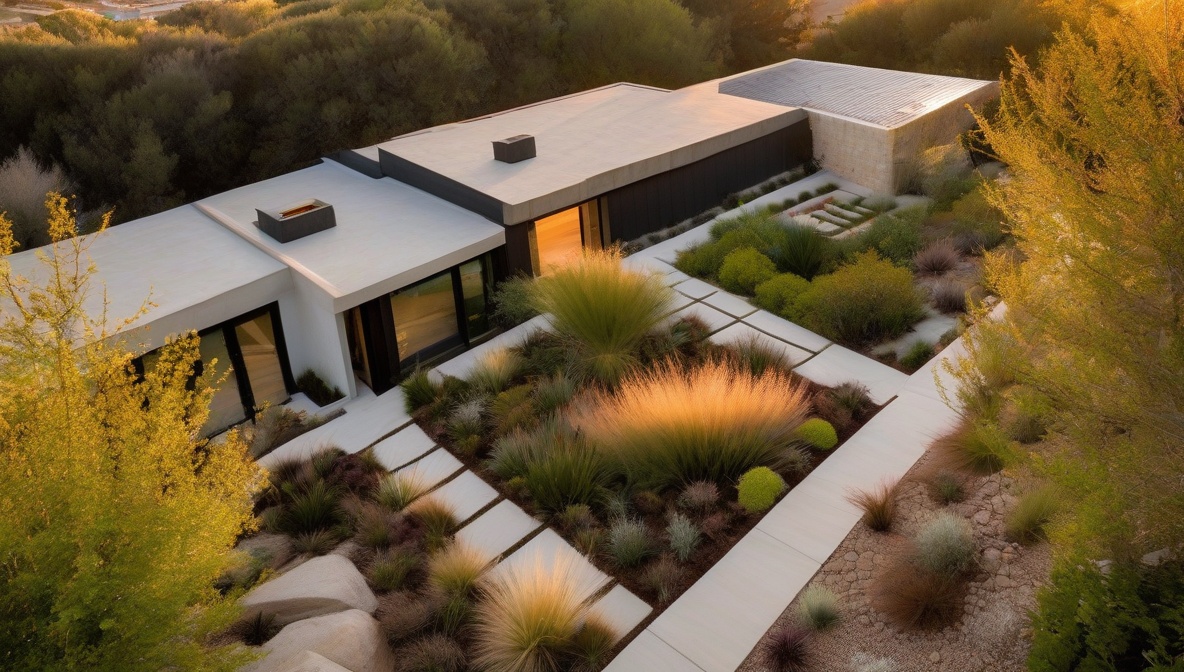
Strategic landscaping represents one of the most powerful yet underutilized tools in rental property investment. Unlike interior renovations that tenants may never see during their initial property search, outdoor improvements create that crucial first impression that determines whether potential renters even step through your front door. When executed thoughtfully, strategic landscaping can increase rental income by 15-20% while simultaneously reducing vacancy periods and attracting higher-quality tenants who take better care of your property.
Property owners, real estate investors, and property managers who understand the principles of strategic landscaping gain a significant competitive advantage in today’s rental market. This comprehensive guide will walk you through the essential elements of transforming outdoor spaces specifically for rental success, covering everything from budget-friendly improvements that deliver immediate impact to long-term landscape investments that continue paying dividends year after year.
Understanding Strategic Landscaping for Rental Properties
Strategic landscaping differs fundamentally from residential landscaping because it prioritizes different outcomes. While homeowner landscaping focuses on personal enjoyment and long-term property attachment, strategic landscaping for rentals emphasizes quick visual impact, low maintenance requirements, and broad appeal to diverse tenant demographics.
The foundation of effective strategic landscaping rests on three core principles: maximizing curb appeal with minimal ongoing maintenance, creating outdoor spaces that photograph well for online listings, and implementing improvements that justify higher rental rates. According to National Association of Home Builders research, properties with well-maintained landscapes rent 30% faster than those with neglected outdoor spaces.
Successful rental property landscaping also considers the practical realities of tenant turnover. Plants and hardscape features must be durable enough to withstand different levels of tenant care, seasonal changes, and the inevitable wear that comes with rental property life cycles. This means selecting hardy, native plants over delicate varieties and choosing materials that age gracefully rather than showing every minor impact.
Strategic Landscaping Elements That Boost Rental Value
The most effective strategic landscaping improvements follow a hierarchy of impact. Foundation plantings around the building’s perimeter create the strongest visual transformation with relatively modest investment. These plantings frame the property and soften harsh building lines while requiring minimal ongoing care once established.
Defined walkways and entrance areas rank second in importance. Clear, attractive paths from street to front door guide prospective tenants naturally toward the property while conveying a sense of intentionality and care. Materials like stamped concrete, natural stone, or high-quality pavers create lasting impressions that justify premium rental rates.
Privacy features become increasingly valuable as rental markets tighten and tenants seek outdoor spaces that feel like personal retreats. Strategic placement of hedges, privacy screens, or pergolas can transform basic outdoor areas into desirable amenities that command higher rents. Even small touches like container gardens or window boxes signal attention to detail that appeals to quality tenants.
Color Strategy in Strategic Landscaping
Color planning in strategic landscaping serves dual purposes: creating visual appeal and ensuring year-round interest. The most successful rental property landscapes incorporate plants with staggered blooming periods, ensuring something attractive is always visible regardless of when prospective tenants visit.
Evergreen plants form the backbone of low-maintenance color strategies. These plants provide consistent visual appeal without seasonal die-back periods that can make properties look neglected. Supplementing evergreens with carefully chosen flowering plants that bloom at different times creates dynamic landscapes that stay attractive throughout rental cycles.
Cost-Effective Strategic Landscaping Improvements
Budget-conscious strategic landscaping focuses on improvements with the highest visual impact per dollar spent. Fresh mulch application ranks among the most cost-effective improvements, instantly making any landscape look professionally maintained. Quality mulch costs $30-50 per cubic yard but transforms the entire property appearance.
Edge definition using landscape edging materials creates clean lines that dramatically improve visual organization. Professional-looking edges can be achieved with materials ranging from simple plastic edging ($1-2 per linear foot) to natural stone borders ($8-12 per linear foot), depending on the target rental market.
Lighting improvements offer exceptional return on investment in strategic landscaping. Solar path lights, low-voltage accent lighting, or simple spotlight systems extend the property’s visual appeal into evening hours when many prospective tenants view properties. Modern LED options provide attractive lighting for $100-300 per property while adding both safety and ambiance.
Family Handyman experts recommend focusing landscaping budgets on the “public” areas of rental properties first – front yards, main walkways, and visible side yards – before investing in private backyard spaces that may receive less tenant use.
DIY vs. Professional Strategic Landscaping
The decision between DIY and professional installation in strategic landscaping depends on both skill level and time availability. Simple improvements like mulch application, basic planting, and maintenance can often be handled by property owners with modest experience and significant cost savings.
However, hardscape improvements, irrigation installation, and major planting projects typically benefit from professional expertise. The cost difference between DIY mistakes that require correction and professional installation often favors hiring experienced contractors for complex strategic landscaping projects.
Maintenance-Focused Strategic Landscaping Design
Long-term success in strategic landscaping demands upfront planning for ongoing maintenance realities. Rental properties face unique maintenance challenges, including varying levels of tenant care, seasonal turnover periods, and the need to maintain appearance standards regardless of occupancy status.
Native plant selection forms the cornerstone of low-maintenance strategic landscaping. Native plants require less water, resist local pests naturally, and thrive in regional climate conditions without extensive intervention. This reduces ongoing costs while maintaining attractive appearance throughout different tenancy periods.
Automated irrigation systems, while requiring initial investment, eliminate maintenance inconsistencies that can damage landscape investments. Simple drip irrigation systems cost $300-800 per property but ensure plants receive consistent care regardless of tenant involvement or vacancy periods.
Seasonal maintenance planning becomes crucial for multi-property owners. Developing standardized maintenance schedules for all strategic landscaping elements ensures consistent property appearance while enabling bulk scheduling that reduces per-property costs.
Strategic Landscaping for Different Rental Markets
Strategic landscaping approaches must align with target tenant demographics and local rental market expectations. Properties targeting young professionals often benefit from modern, clean-lined landscapes with minimal maintenance requirements and contemporary materials.
Family-oriented rentals require different strategic landscaping considerations, including safe, open lawn areas for children’s activities and practical features like defined parking areas and clear sight lines for parental supervision. Landscape designs for family rentals also need to consider durability under heavy use conditions.
Luxury rental markets demand sophisticated strategic landscaping that justifies premium pricing. These properties often require professional landscape design, high-end materials, and more complex plant palettes that create resort-like outdoor environments.
According to Better Homes & Gardens research, properties with professionally designed landscapes in luxury markets can command rental premiums of 25-40% over comparable properties with basic outdoor spaces.
Climate Considerations in Strategic Landscaping
Regional climate factors significantly impact strategic landscaping success. Properties in arid regions benefit from drought-tolerant plant selections and hardscape features that remain attractive during dry periods. Water-wise landscaping also appeals to environmentally conscious tenants while reducing ongoing maintenance costs.
Cold climate strategic landscaping must account for winter appearance and snow management needs. Evergreen plants become even more important in these regions, while hardscape materials must withstand freeze-thaw cycles without cracking or shifting.
Measuring Strategic Landscaping ROI
Quantifying strategic landscaping return on investment requires tracking multiple metrics beyond simple cost-to-improvement ratios. Reduced vacancy periods often provide the most significant financial benefit, as properties with attractive landscapes rent faster and experience fewer extended vacancies.
Rental rate premiums offer another measurable benefit. Properties with professional strategic landscaping typically command $50-200 monthly premiums over comparable properties with minimal outdoor improvements, depending on local market conditions.
Tenant retention improvements also contribute to strategic landscaping ROI. Properties with attractive outdoor spaces experience lower turnover rates, reducing marketing costs, vacancy periods, and turnover-related maintenance expenses.
Long-term property value appreciation provides additional returns on strategic landscaping investments. Well-designed landscapes mature over time, becoming more valuable while requiring less maintenance input as plants establish and hardscape features weather attractively.
Common Strategic Landscaping Mistakes to Avoid
Over-planting represents one of the most frequent strategic landscaping errors. New landscapes often look sparse, leading property owners to install too many plants that eventually overcrowd and require expensive removal or extensive pruning. Following mature plant spacing guidelines prevents costly corrections later.
Ignoring maintenance accessibility creates long-term problems in strategic landscaping. Designs that look attractive initially but require specialized equipment or extensive hand-labor become financial burdens as properties age. Planning maintenance access during design phases prevents these issues.
Choosing plants based solely on appearance without considering growth habits, maintenance needs, or local performance leads to landscape failures that damage property appearance and require expensive replacements. Researching plant performance in local conditions before installation prevents costly mistakes.
References
- National Association of Home Builders – Housing Market Research and Industry Data
- Family Handyman – DIY Home Improvement and Landscaping Guides
- Better Homes & Gardens – Landscaping Design and Property Value Research
Frequently Asked Questions
What’s the typical ROI timeline for strategic landscaping investments?
Most strategic landscaping improvements begin showing returns within the first rental cycle, typically 6-12 months. Foundation plantings and curb appeal improvements often pay for themselves through reduced vacancy periods and rental premiums within the first year, while more extensive hardscape projects may require 18-24 months for full return realization.
How much should I budget for strategic landscaping per rental property?
Budget allocation depends on property value and target rental market, but effective strategic landscaping typically costs 2-5% of annual rental income. A property renting for $2,000 monthly might justify $500-1,200 in annual landscaping investment, with higher amounts for initial improvements and lower amounts for ongoing maintenance.
Should I install irrigation systems for rental property landscaping?
Irrigation systems become cost-effective for most strategic landscaping projects, especially in regions with irregular rainfall or during properties with extensive planted areas. Simple drip irrigation systems prevent plant loss during vacancy periods and ensure consistent appearance regardless of tenant involvement in outdoor maintenance.
What plants work best for low-maintenance rental property landscapes?
Native plants adapted to local climate conditions require the least maintenance while providing reliable performance. Evergreen shrubs, ornamental grasses, and established perennial plants typically offer the best combination of visual appeal and minimal care requirements for strategic landscaping applications.
How do I handle landscaping maintenance during tenant transitions?
Develop standardized maintenance protocols that continue regardless of occupancy status. This includes automated irrigation during vacant periods, scheduled lawn care, and seasonal maintenance tasks. Many property owners find success with landscape service contracts that maintain appearance standards consistently.
Can I include landscaping maintenance responsibilities in rental agreements?
While tenants can be assigned basic maintenance tasks like mowing or watering, professional strategic landscaping typically requires property owner oversight to maintain investment value. Consider tenant capabilities and local rental market practices when determining appropriate maintenance responsibilities.
What landscaping improvements provide the fastest visual impact?
Fresh mulch application, edge definition, and seasonal color plantings provide immediate visual transformation at relatively low cost. These improvements can be completed quickly and create professional appearance that photographs well for online rental listings.
Conclusion
Strategic landscaping represents one of the most powerful tools available to rental property owners seeking to maximize returns while minimizing ongoing complications. The key lies in understanding that rental property landscaping serves different purposes than residential landscaping, prioritizing broad appeal, low maintenance, and strong visual impact over personal preference or complex design elements.
Success in strategic landscaping comes from thoughtful planning that considers long-term maintenance realities, tenant demographics, and local market expectations. By focusing investments on high-impact improvements like foundation plantings, defined walkways, and consistent maintenance systems, property owners can achieve significant returns through reduced vacancy periods, rental premiums, and improved tenant retention.
The most effective strategic landscaping approaches balance initial investment with ongoing maintenance costs while creating outdoor spaces that remain attractive throughout multiple rental cycles. As rental markets continue evolving, properties with well-executed strategic landscaping will maintain competitive advantages that translate directly into improved financial performance and long-term property value appreciation.