Ultimate Eco-Friendly Improvements That Transform Home Value
Smart homeowners today understand that eco-friendly improvements represent one of the most strategic investments they can make in their properties. These sustainable upgrades not only reduce environmental impact but also deliver measurable returns through increased home value, reduced utility costs, and enhanced market appeal. Whether you’re planning to sell in the near future or building long-term equity, understanding which green improvements offer the best financial returns is crucial for maximizing your investment dollars.
This comprehensive guide will equip you with the knowledge to make informed decisions about sustainable home improvements that actually pay dividends. You’ll discover which eco-friendly upgrades deliver the highest return on investment, how to prioritize projects for maximum impact, and what buyers are actively seeking in today’s environmentally conscious real estate market.
The Financial Case for Eco-Friendly Improvements
The modern real estate landscape has fundamentally shifted toward sustainability, with eco-conscious buyers willing to pay premium prices for homes featuring green improvements. According to National Association of Home Builders research, homes with comprehensive eco-friendly features command 7-15% higher sale prices compared to conventional properties. This premium reflects both immediate benefits like reduced utility costs and long-term advantages including increased durability and lower maintenance requirements.
Beyond resale value, sustainable improvements generate ongoing savings that compound over time. Energy-efficient upgrades typically reduce utility bills by 20-40%, while water-conserving features can cut water costs by up to 30%. These savings effectively provide a continuous return on your initial investment, making eco-friendly improvements one of the few home upgrades that literally pay for themselves over time.
Market Trends Driving Demand
Today’s buyers increasingly prioritize sustainability when house hunting. Millennial and Gen Z buyers, who now represent the largest segment of home purchasers, specifically seek properties with environmental features. This demographic shift has created a robust market for homes with eco-friendly improvements, ensuring strong resale potential for sustainable investments.
High-Impact Eco-Friendly Improvements by Category
Energy Efficiency: The Foundation of Green Improvements
Energy efficiency improvements form the cornerstone of any sustainable home upgrade strategy. These modifications reduce environmental impact while delivering immediate and long-term cost savings. The Energy.gov website provides comprehensive resources for understanding federal incentives and technical specifications for energy-efficient upgrades.
Insulation and Air Sealing represent the highest-impact starting point. Proper insulation in attics, walls, and basements can reduce heating and cooling costs by 15-30%. Focus on achieving R-values appropriate for your climate zone: R-38 to R-60 for attics in most regions, with higher values for colder climates. Air sealing around windows, doors, and penetrations prevents energy loss and typically costs under $500 while saving $200-400 annually.
HVAC System Upgrades offer substantial returns when existing systems are nearing replacement time. High-efficiency heat pumps, which both heat and cool, can reduce energy consumption by 30-50% compared to older systems. Smart thermostats, costing $150-300, provide precise temperature control and can reduce energy usage by 8-15% through optimized scheduling and remote monitoring capabilities.
Window Replacements deliver both energy savings and aesthetic improvements. Double or triple-pane windows with low-E coatings can reduce heat loss by 25-50% while improving comfort and noise reduction. While window replacement requires significant upfront investment ($300-800 per window), the combination of energy savings, improved comfort, and enhanced curb appeal typically recovers 70-85% of costs at resale.
Water Conservation: Smart Resource Management
Water-efficient improvements address growing concerns about resource scarcity while reducing utility costs. The EPA WaterSense program provides certification standards and rebate information for water-saving fixtures and appliances.
Low-flow fixtures represent the most cost-effective water conservation improvements. WaterSense-certified toilets use 1.28 gallons per flush compared to 3.5-7 gallons for older models, saving thousands of gallons annually. Low-flow showerheads and faucet aerators cost under $50 each while reducing water usage by 30-50% without compromising performance.
Tankless water heaters provide hot water on demand while eliminating standby energy losses associated with traditional tank systems. While installation costs range from $2,500-4,500, these units last 20+ years compared to 8-12 years for tank heaters, and reduce energy consumption by 24-34% for homes using less than 41 gallons daily.
Strategic Planning for Eco-Friendly Improvements
Prioritizing Projects for Maximum Impact
Successful eco-friendly improvement strategies require careful prioritization based on cost, impact, and your home’s specific needs. Start with an energy audit to identify the most significant inefficiencies. Many utility companies offer free or low-cost audits that pinpoint exactly where your home loses energy and money.
Follow the logical sequence: insulation and air sealing first, then HVAC improvements, followed by windows and appliances. This progression ensures that heating and cooling system sizing is based on your home’s improved envelope performance, preventing oversizing and optimizing efficiency.
Leveraging Incentives and Rebates
Federal, state, and local incentive programs can significantly reduce the cost of eco-friendly improvements. Federal tax credits currently cover 30% of solar installation costs, while many states offer additional rebates. Utility company rebate programs often provide hundreds of dollars back for efficient appliances, insulation, and HVAC upgrades.
Research available programs before beginning projects, as some require pre-approval or specific contractor certifications. The Database of State Incentives for Renewables & Efficiency (DSIRE) provides comprehensive, up-to-date information on available programs by location.
Practical Applications: Implementation Strategies
DIY vs. Professional Installation
Determining which eco-friendly improvements you can tackle yourself versus those requiring professional installation affects both costs and results. Simple upgrades like programmable thermostats, low-flow fixtures, and LED lighting are typically DIY-friendly and provide immediate savings.
Complex systems including HVAC, electrical work, and major insulation projects require professional expertise to ensure safety, efficiency, and warranty coverage. Professional installation also ensures compliance with building codes and may be required for rebate eligibility.
Timing Your Improvements
Strategic timing can maximize savings and minimize disruption. Schedule HVAC work during shoulder seasons (spring/fall) when contractors are less busy and pricing is competitive. Coordinate multiple projects to reduce labor costs and minimize disruption to daily life.
Consider seasonal factors: exterior work like windows and roofing during favorable weather, interior projects like insulation during winter months when outdoor work is limited.
References
- Energy.gov – Federal Energy Efficiency Resources and Incentives
- National Association of Home Builders – Green Building and Market Research
- EPA WaterSense – Water Efficiency Standards and Rebates
Measuring and Maximizing Returns on Eco-Friendly Improvements
Tracking Performance and Savings
Documenting the performance of your eco-friendly improvements provides valuable data for future decisions and potential home sales. Establish baseline measurements of energy and water usage before beginning projects, then monitor monthly utility bills to quantify savings. Smart home monitoring systems can provide detailed insights into energy consumption patterns and help optimize system performance.
Keep detailed records of all improvements, including receipts, warranty information, and professional certifications. This documentation proves value to potential buyers and ensures you can claim all available tax benefits and rebates.
Communicating Value to Buyers
When selling your home, effectively communicating the benefits of eco-friendly improvements can significantly impact buyer interest and final sale price. Create a comprehensive summary of all green features, including installation dates, efficiency ratings, and documented savings. Professional energy ratings or certifications like ENERGY STAR can provide third-party validation of your home’s performance.
Highlight both financial and comfort benefits in marketing materials. Buyers respond to concrete savings figures and improved living conditions, not just environmental benefits. According to Houzz surveys, buyers are willing to pay more for homes with documented energy savings and improved comfort features.
Advanced Eco-Friendly Improvements for Maximum Impact
Renewable Energy Systems
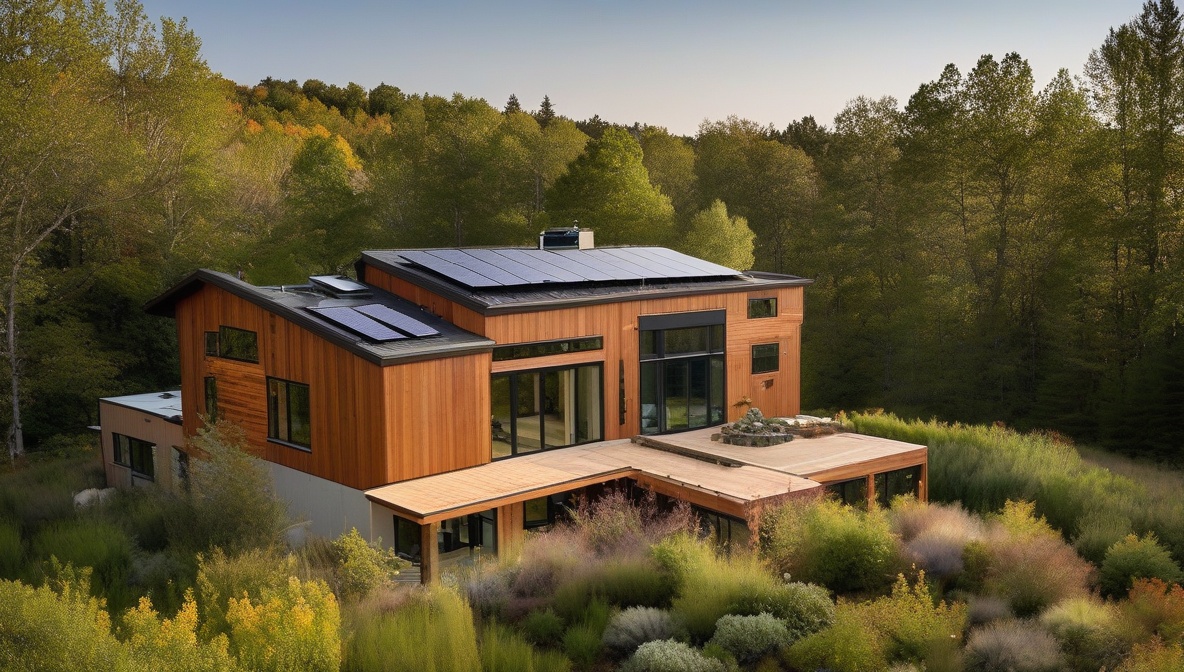
Solar photovoltaic systems represent the most visible and impactful renewable energy improvement for most homes. With federal tax credits covering 30% of installation costs and many states offering additional incentives, solar systems often pay for themselves within 6-10 years while providing 20+ years of free electricity thereafter.
Battery storage systems are becoming increasingly cost-effective, providing energy security and additional savings through time-of-use optimization. While adding $10,000-15,000 to system costs, batteries can provide backup power and maximize the value of solar production.
Smart Home Integration
Smart home technology enhances the efficiency and convenience of eco-friendly improvements. Smart irrigation controllers reduce water usage by 15-50% by adjusting watering schedules based on weather conditions and soil moisture. Smart electrical panels provide detailed energy monitoring and can optimize the use of solar production and time-of-use electricity rates.
Integration platforms that connect multiple systems allow homeowners to optimize overall home performance automatically, maximizing the benefits of individual eco-friendly improvements.
Long-Term Maintenance and Optimization
Preserving Your Investment
Regular maintenance ensures that eco-friendly improvements continue delivering optimal performance throughout their lifespan. HVAC systems require annual professional service and regular filter changes to maintain efficiency. Solar panels benefit from periodic cleaning and inspection, while insulation should be checked for settling or damage that could compromise performance.
Establish maintenance schedules for all systems and keep detailed service records. Proper maintenance not only preserves efficiency but also maintains warranty coverage and demonstrates responsible ownership to potential buyers.
Future-Proofing Your Home
Consider infrastructure improvements that support future upgrades during current projects. Installing conduit for future electric vehicle charging during electrical work, or pre-wiring for smart home systems during renovation projects, costs little extra during initial construction but saves significantly if added later.
Design improvements with expansion in mind. Solar installations can often be expanded, and HVAC systems sized appropriately can accommodate future additions without complete replacement.
Frequently Asked Questions
What eco-friendly improvements offer the best return on investment?
Insulation and air sealing typically offer the highest returns, often paying for themselves within 2-5 years through energy savings. LED lighting, programmable thermostats, and low-flow fixtures provide excellent returns with minimal upfront costs. Solar systems offer strong long-term returns, especially with current federal tax incentives covering 30% of installation costs.
How much can eco-friendly improvements increase my home’s value?
Comprehensive eco-friendly improvements typically increase home value by 7-15%, according to real estate market studies. Energy-efficient homes sell faster and command premium prices, with buyers willing to pay more for documented utility savings and improved comfort features.
Should I complete all improvements at once or phase them over time?
Phasing improvements allows you to spread costs over time and learn from each project. Start with high-impact, low-cost improvements like insulation and air sealing, then progress to major systems. However, coordinating related projects (like HVAC and insulation) can reduce overall costs and disruption.
Are eco-friendly improvements worth it if I plan to sell soon?
Many eco-friendly improvements provide immediate returns through increased marketability and sale price. Focus on visible, high-impact improvements like ENERGY STAR appliances, smart thermostats, and efficient lighting that buyers notice and value. Document all improvements and savings for marketing materials.
What rebates and incentives are available for eco-friendly improvements?
Federal tax credits cover 30% of solar installation costs through 2032. Many states and utilities offer additional rebates for efficient appliances, HVAC systems, and insulation. Check the DSIRE database and contact your utility company for current programs in your area, as many require pre-approval.
How do I find qualified contractors for eco-friendly improvements?
Look for contractors certified by relevant organizations: ENERGY STAR partners for HVAC work, certified insulation contractors, and licensed solar installers. Check references, verify insurance and licensing, and obtain multiple quotes. Many rebate programs require specific contractor certifications.
Can I finance eco-friendly improvements?
Many financing options exist for eco-friendly improvements, including PACE financing, utility-sponsored loan programs, and traditional home equity loans. Some programs offer below-market rates for energy efficiency improvements. Solar systems often qualify for specialized financing with no money down and payments lower than utility savings.
Conclusion
Eco-friendly improvements represent a unique opportunity to enhance your home’s value while reducing environmental impact and ongoing costs. The key to success lies in strategic planning, prioritizing high-impact improvements, and leveraging available incentives to maximize returns. Start with comprehensive insulation and air sealing, progress to efficient systems and appliances, and consider renewable energy for maximum long-term benefits.
Remember that eco-friendly improvements offer triple benefits: immediate comfort and cost savings, increased home value and marketability, and positive environmental impact. With proper planning and execution, these improvements can transform your home into a more valuable, comfortable, and sustainable living space while providing strong financial returns on your investment.
Begin with an energy audit to identify your home’s specific needs, research available incentives in your area, and develop a phased improvement plan that fits your budget and timeline. The combination of rising energy costs, increasing environmental awareness, and strong market demand for sustainable homes makes eco-friendly improvements one of the smartest investments you can make in your property.