Ultimate Strategic Landscaping Guide for Perfect Rentals
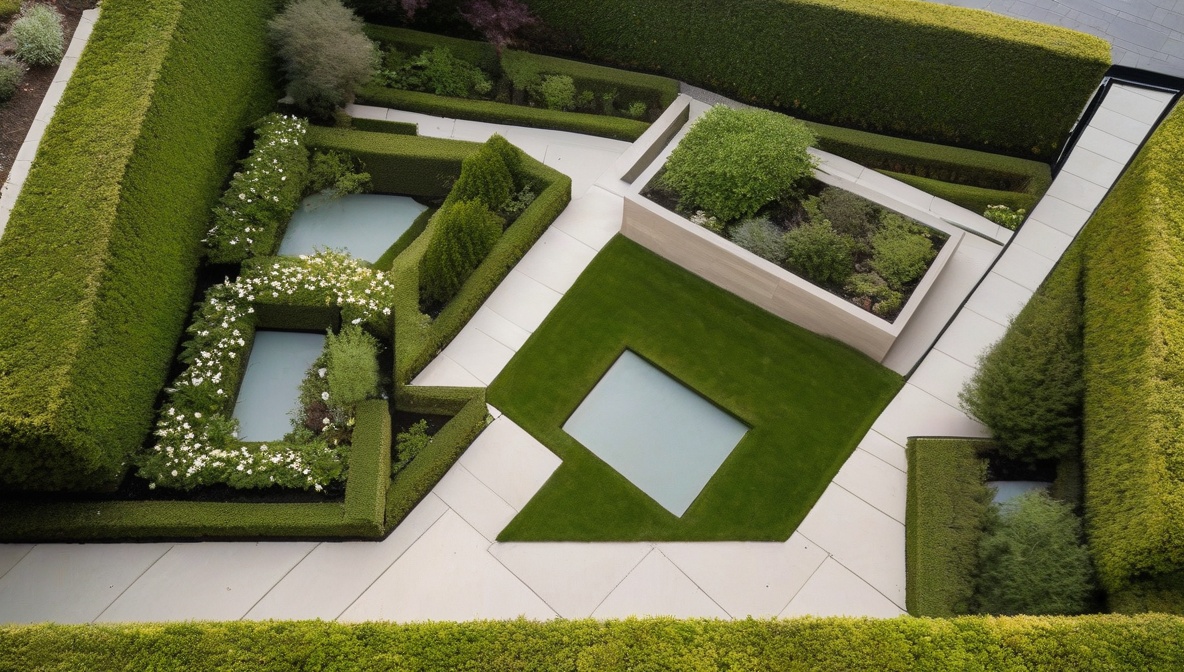
Strategic landscaping represents the thoughtful intersection of design aesthetics and financial performance, specifically tailored to maximize rental property value and tenant appeal. Unlike traditional landscaping that focuses solely on beauty, strategic landscaping balances visual impact with maintenance efficiency, cost-effectiveness, and long-term durability to create outdoor spaces that consistently attract and retain quality tenants.
Property owners, real estate investors, and landlords should prioritize strategic landscaping because it directly impacts their bottom line. Well-executed outdoor improvements can increase rental rates by 15-20%, reduce vacancy periods by up to 40%, and significantly boost property values. You’ll discover how to select plants and features that thrive with minimal intervention, design layouts that appeal to diverse tenant demographics, and implement sustainable solutions that protect your investment for years to come.
The Foundation of Strategic Landscaping for Rental Success
Strategic landscaping begins with understanding your target tenant market and local climate conditions. Unlike homeowner landscaping that reflects personal preferences, rental property landscaping must appeal to the broadest possible audience while requiring minimal ongoing maintenance. This approach prioritizes hardy, native plants that establish quickly and tolerate varying care levels from different tenants.
The most successful rental properties feature landscaping that creates strong first impressions within the first 15 seconds of a prospective tenant’s arrival. According to This Old House, properties with well-maintained landscapes rent 25% faster than those with minimal outdoor appeal, making the initial investment worthwhile for most property owners.
Key elements of foundational planning include soil analysis, drainage assessment, sun exposure mapping, and establishing clear maintenance boundaries. Properties should feature defined planting areas, practical walkways, and designated outdoor living spaces that tenants can easily maintain without specialized knowledge or tools.
Low-Maintenance Plant Selection Strategies
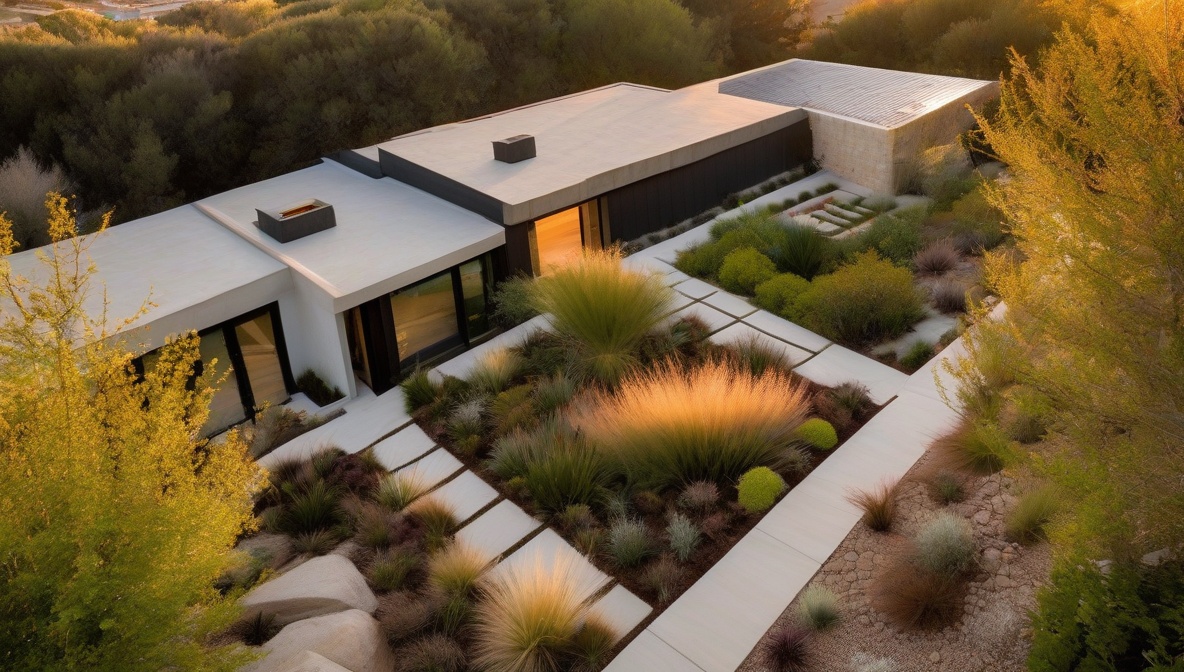
Successful rental property landscaping relies heavily on plant varieties that thrive with minimal intervention. Native perennials, ornamental grasses, and drought-tolerant shrubs form the backbone of strategic landscaping because they establish deep root systems, resist common pests and diseases, and maintain attractive appearances throughout growing seasons.
Avoid high-maintenance options like roses, delicate annuals, or plants requiring specific soil amendments or frequent pruning. Instead, focus on proven performers such as lavender, ornamental sedums, native wildflowers, and established groundcovers that spread naturally to suppress weeds and reduce maintenance needs.
Consider seasonal interest when selecting plants, ensuring your landscape maintains visual appeal throughout the year. Evergreen foundation plantings provide consistent structure, while carefully chosen deciduous elements add seasonal variation without creating excessive cleanup requirements for tenants.
Strategic Landscaping with Water-Wise Plants
Water-efficient landscaping reduces utility costs and maintenance demands while supporting environmental sustainability. EPA WaterSense guidelines emphasize selecting plants adapted to local precipitation patterns, which significantly reduces irrigation needs and associated costs.
Xerophytic plants, succulents, and native grasses excel in rental applications because they tolerate inconsistent watering schedules and varying care levels from different tenants. Group plants with similar water needs together to maximize irrigation efficiency and prevent overwatering damage.
Designing Functional Outdoor Living Spaces
Strategic landscaping extends beyond plant selection to encompass functional outdoor areas that add tangible value to rental properties. Tenants increasingly seek outdoor spaces for relaxation, entertainment, and remote work, making well-designed patios, decks, and garden areas significant competitive advantages.
Focus on creating defined spaces using hardscaping elements like pavers, gravel paths, or simple wooden borders. These features require minimal maintenance while providing clear boundaries and purposeful areas for tenant use. Consider installing weather-resistant outdoor furniture or built-in seating to enhance functionality without ongoing replacement costs.
Privacy screening using strategic plant placement or simple fencing creates intimate outdoor environments that tenants value highly. Fast-growing evergreen shrubs or decorative panels can transform ordinary yards into desirable private retreats without major construction investments.
Strategic Landscaping for Multi-Unit Properties
Multi-unit properties benefit from strategic landscaping that creates distinct outdoor areas for different units while maintaining cohesive overall design. Use plantings and hardscaping to define private patios or garden spaces, ensuring each unit has access to outdoor amenities without compromising privacy or security.
Common areas should feature durable, attractive landscaping that withstands heavy use while requiring minimal professional maintenance. Consider installing automatic irrigation systems for shared spaces to ensure consistent care regardless of individual tenant involvement.
Sustainable Strategic Landscaping Solutions
Environmental sustainability and cost-effectiveness align perfectly in strategic landscaping applications. Sustainable practices reduce long-term maintenance costs, improve property resilience, and appeal to environmentally conscious tenants who represent a growing market segment.
Implement composting systems, rain gardens, or simple water collection features that reduce waste and utility costs while adding unique property features. These elements often qualify for local environmental incentives or tax benefits, further improving return on investment.
Native plant communities require fewer inputs than traditional landscapes while providing superior wildlife habitat and seasonal interest. Establish natural areas that tenants can enjoy without intensive maintenance requirements, such as wildflower meadows or native shrub borders.
Maximizing Curb Appeal Through Strategic Design
Curb appeal directly influences rental rates and vacancy periods, making strategic front-yard landscaping essential for property success. Focus investments on highly visible areas that create immediate positive impressions, such as entryways, front foundations, and street-facing borders.
According to Better Homes & Gardens, properties with strong curb appeal rent for 10-15% higher rates than comparable properties with minimal landscaping. Simple improvements like defined planting beds, fresh mulch, and well-maintained walkways provide excellent returns on modest investments.
Color coordination and plant scale create professional appearances that suggest quality management and maintenance throughout the property. Use consistent mulch colors, coordinate flowering plants within complementary color palettes, and maintain appropriate plant scales relative to building sizes.
Strategic Landscaping Maintenance Systems
Successful rental landscaping requires establishing clear maintenance expectations and systems that protect your investment regardless of tenant involvement. Create detailed landscape guides for tenants that specify basic care requirements, seasonal tasks, and emergency contacts for professional services.
Install automatic irrigation systems for critical plantings, use slow-release fertilizers to minimize feeding requirements, and select plants that maintain attractive appearances even with minimal pruning or deadheading.
Practical Applications for Different Property Types
Strategic landscaping applications vary significantly based on property type, target tenant demographics, and local market conditions. Single-family rentals benefit from comprehensive yard improvements that create home-like environments, while multi-unit properties require durable, low-maintenance solutions that serve diverse tenant needs.
Student housing properties should emphasize easy maintenance and damage resistance, while executive rentals may justify higher-end landscaping investments that support premium rental rates. Consider your target market’s lifestyle preferences, available time for yard maintenance, and willingness to participate in outdoor care.
Urban properties often face space constraints that require vertical landscaping solutions, container gardens, or rooftop applications. Suburban properties typically offer more space for comprehensive landscaping but may require greater attention to neighborhood standards and homeowner association requirements.
Budget-Conscious Strategic Landscaping Implementation
Effective strategic landscaping doesn’t require substantial upfront investments when properly planned and phased over time. Prioritize high-impact, low-cost improvements like mulching, edging, and basic plant installations before considering major hardscaping or irrigation projects.
Purchase plants during end-of-season sales, propagate existing plantings, or source materials from wholesale suppliers to reduce costs. Many native plants can be grown from seed or obtained through local conservation programs at significant savings compared to retail nursery purchases.
Focus initial investments on areas that provide maximum visual impact and tenant satisfaction. Front entrances, main outdoor living areas, and highly visible foundation plantings typically provide better returns than extensive backyard installations that receive limited use.
References
- This Old House – Home improvement and landscaping expertise
- EPA WaterSense – Water-efficient landscaping guidelines
- Better Homes & Gardens – Landscaping and curb appeal strategies
Frequently Asked Questions
How much should I budget for strategic landscaping on a rental property?
Budget 3-5% of your property’s value for comprehensive strategic landscaping, or $2,000-5,000 for basic improvements on average single-family rentals. Focus on high-impact areas first and phase improvements over multiple seasons to spread costs while building tenant satisfaction.
What plants work best for rental properties with inconsistent maintenance?
Native perennials, ornamental grasses, drought-tolerant shrubs, and groundcovers provide the best results for rental applications. Avoid roses, delicate annuals, or plants requiring frequent pruning, fertilizing, or pest management.
Should I install irrigation systems for rental property landscaping?
Automatic irrigation systems benefit high-value plantings and areas visible to prospective tenants, but aren’t necessary for drought-tolerant native plant installations. Consider drip irrigation for foundation plantings and manual watering for less critical areas.
How can strategic landscaping reduce property management costs?
Well-designed strategic landscaping reduces maintenance callouts, extends plant lifespans, and minimizes replacement costs through appropriate plant selection and placement. Properties with attractive, low-maintenance landscapes also experience reduced vacancy periods and higher tenant retention rates.
What landscaping features add the most rental value?
Defined outdoor living spaces, privacy screening, attractive entryways, and seasonal color displays provide the highest returns on landscaping investments. Focus on features that enhance daily living experiences rather than purely decorative elements.
How do I handle landscaping maintenance with different tenants?
Create clear landscaping agreements specifying tenant responsibilities, provide basic care instructions, and establish relationships with local landscaping services for major maintenance needs. Consider including basic yard maintenance in rent for premium properties to ensure consistent care.
Can strategic landscaping help properties rent faster?
Properties with professional strategic landscaping typically rent 25-40% faster than those with minimal outdoor appeal. Strong curb appeal creates positive first impressions that influence tenant decisions and justify higher rental rates in competitive markets.